


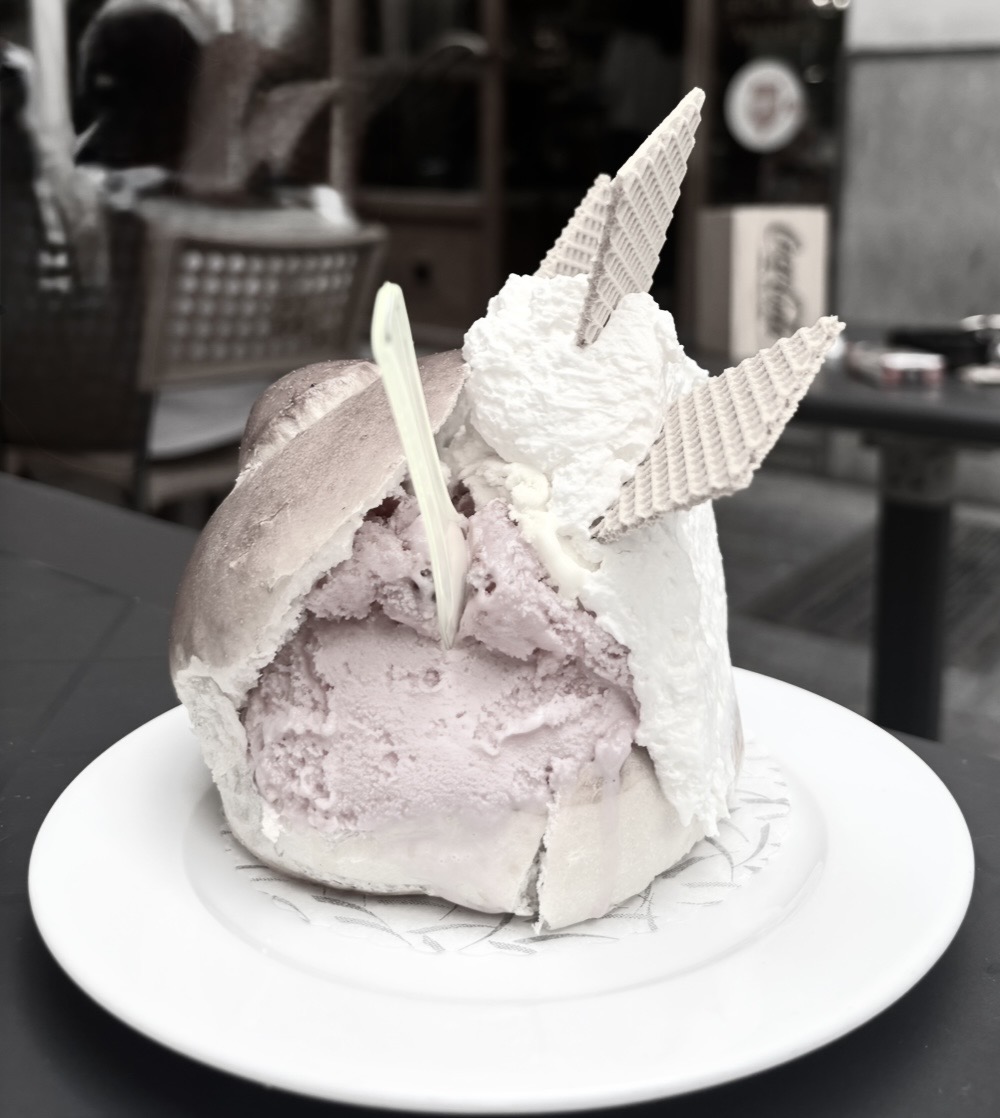
Brioche con gelato
The first time I came across “bread with ice cream” was on the Greek islands. There it was called an “ice cream sandwich,” and I thought it was a joke. It turned out it wasn’t. Brioche con gelato can be considered one of the Palermitans’ late breakfasts, and sometimes[…]
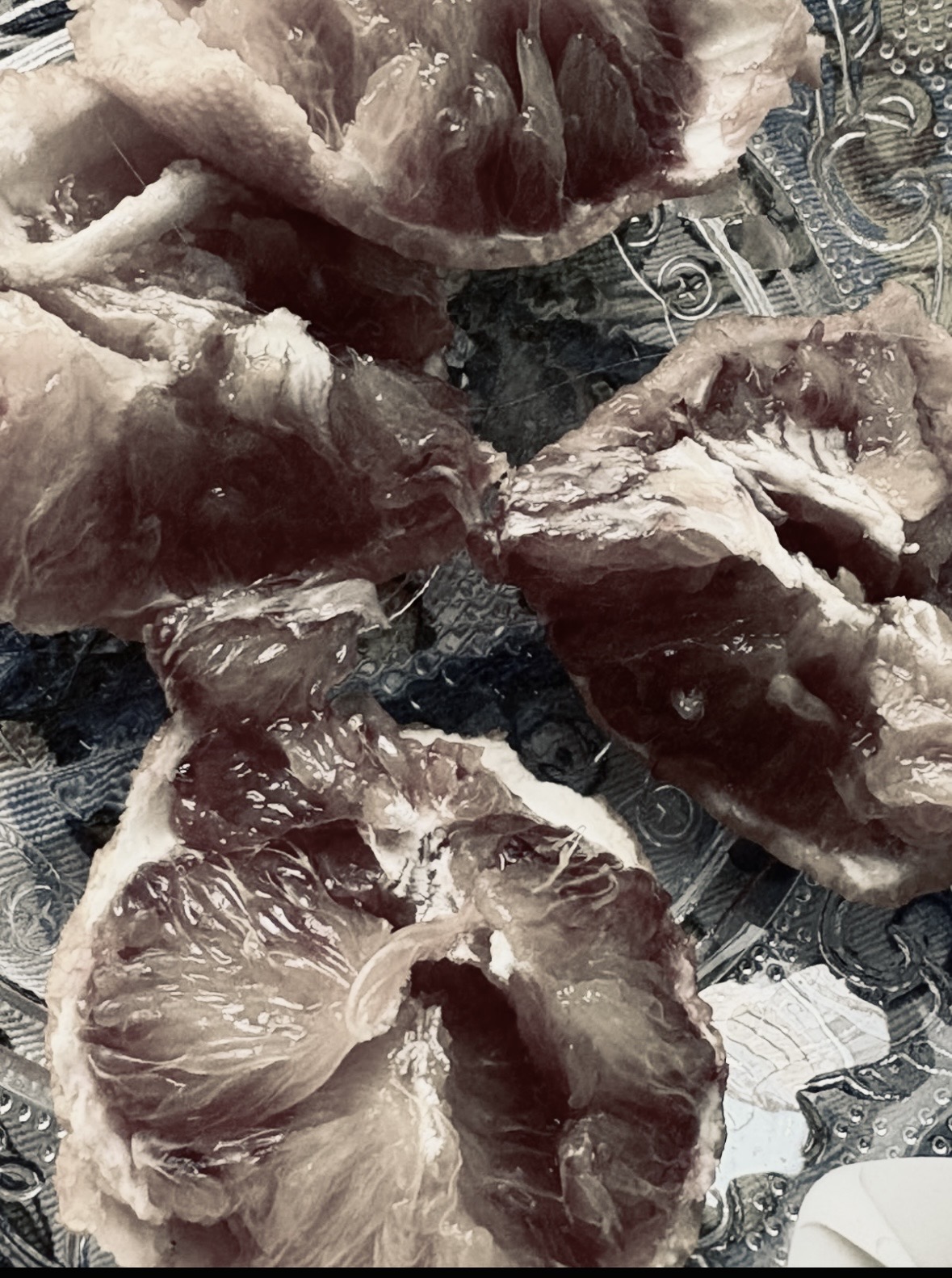
Blood Oranges of Sicily
Another bright and delicious symbol of Sicily is the Sicilian blood orange – arancia rossa. Here we say that a blood orange is born where the snow of Mount Etna meets the Sicilian sun. That’s why you can only truly enjoy it during the snowy season – from December[…]
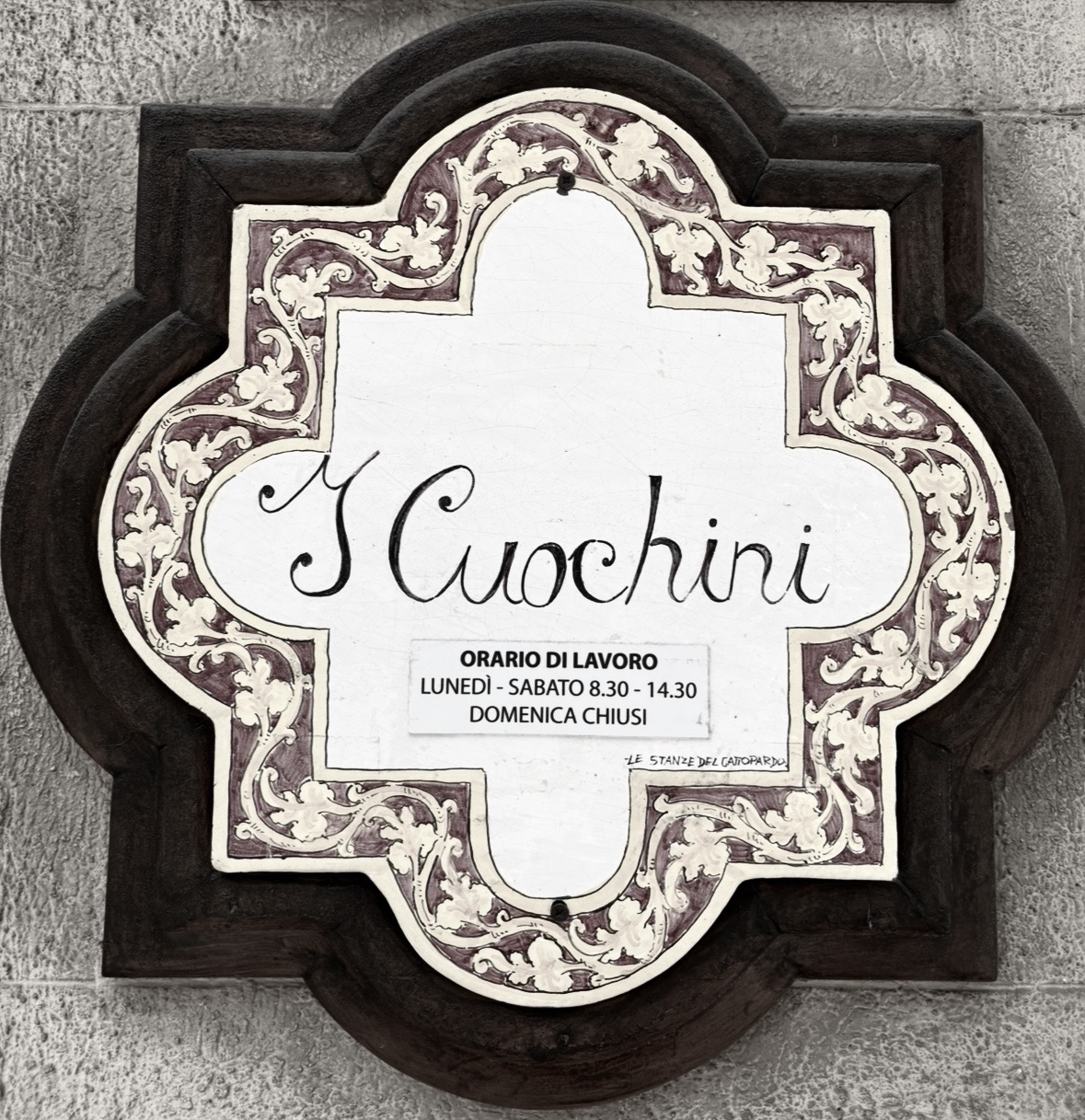
I Cuochini
To this day, every single one of my guests has loved this place. I usually say: “Now we’re going to a rosticceria, where you can try many different kinds of Palermitan street food in small portions — and everything costs €1.” Many people could stop reading here and go[…]
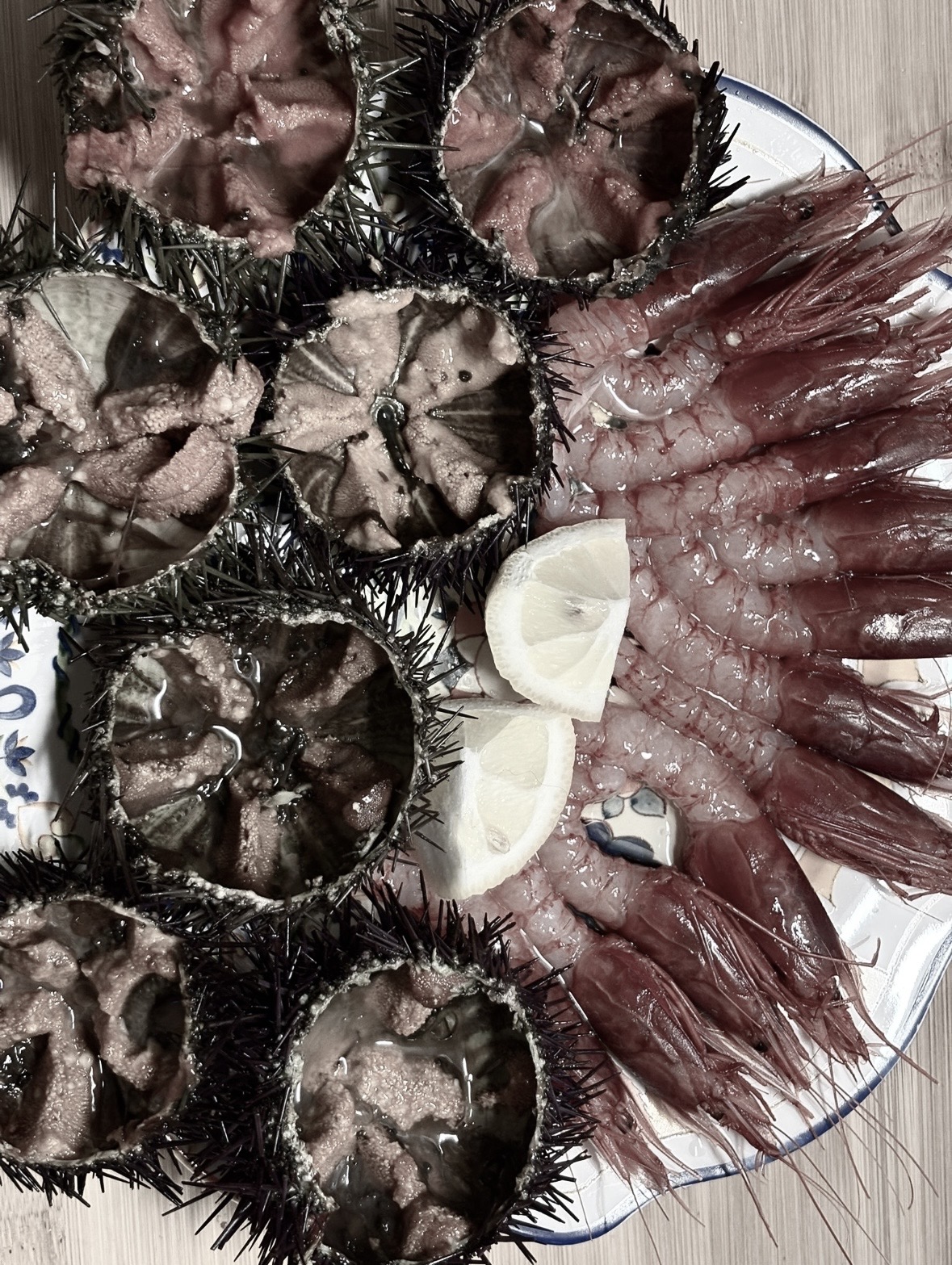
Gambero Rosso
I only discovered these shrimp after I started living in Palermo. After trying them in a restaurant for the first time, I decided to serve red shrimp for my New Year’s dinner. Imagine my shock when I realized they were meant to be eaten raw. Picture this: New Year’s[…]
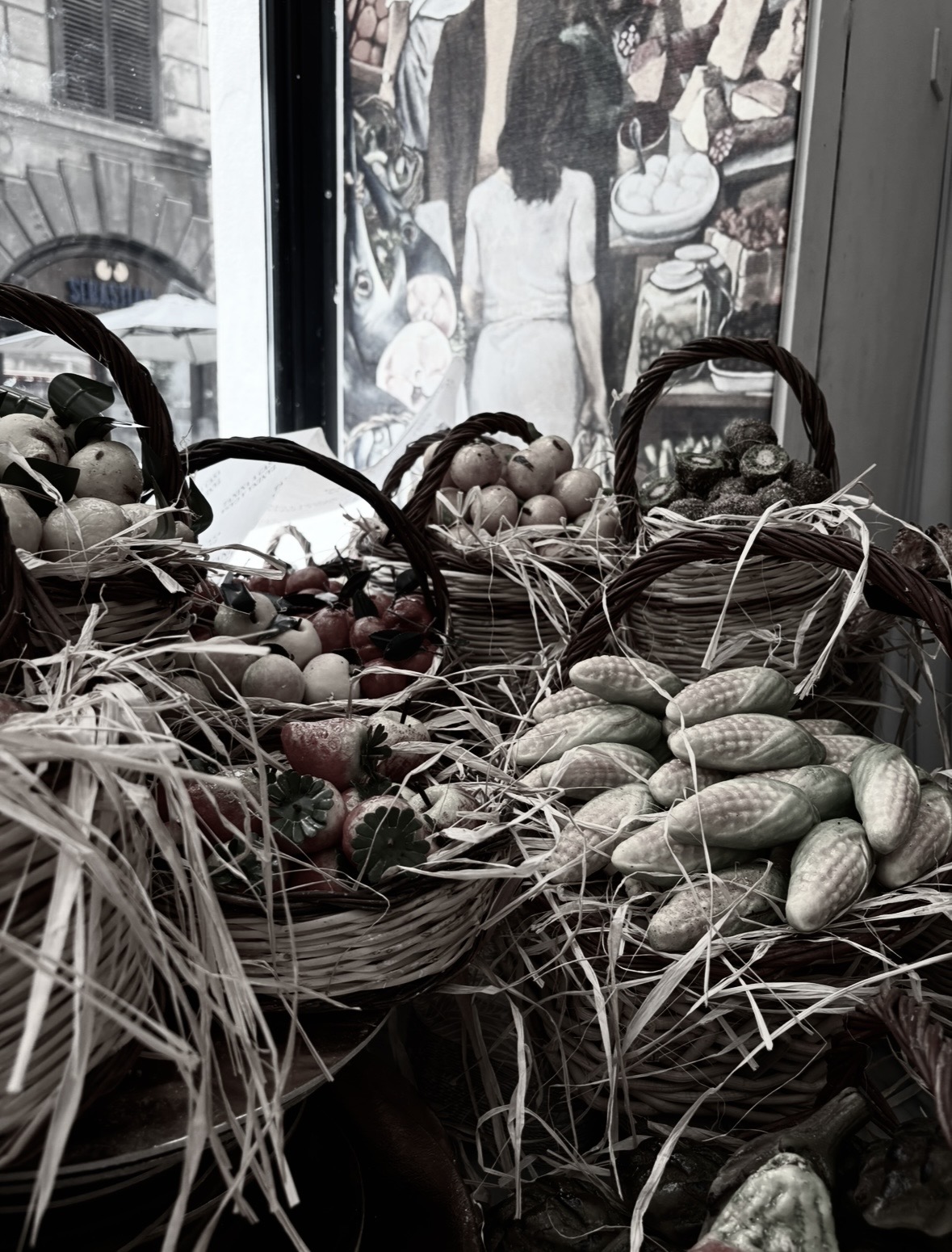
Frutta Martorana
Another Palermo legend that adds even more flavor to the art of Sicilian pastry making. In almost every pastry shop window, you’ll find colorful little fruits, vegetables, and even pane ca meusa or an arancina, all made from sweet almond paste. These are Frutta Martorana, named after the monastery[…]
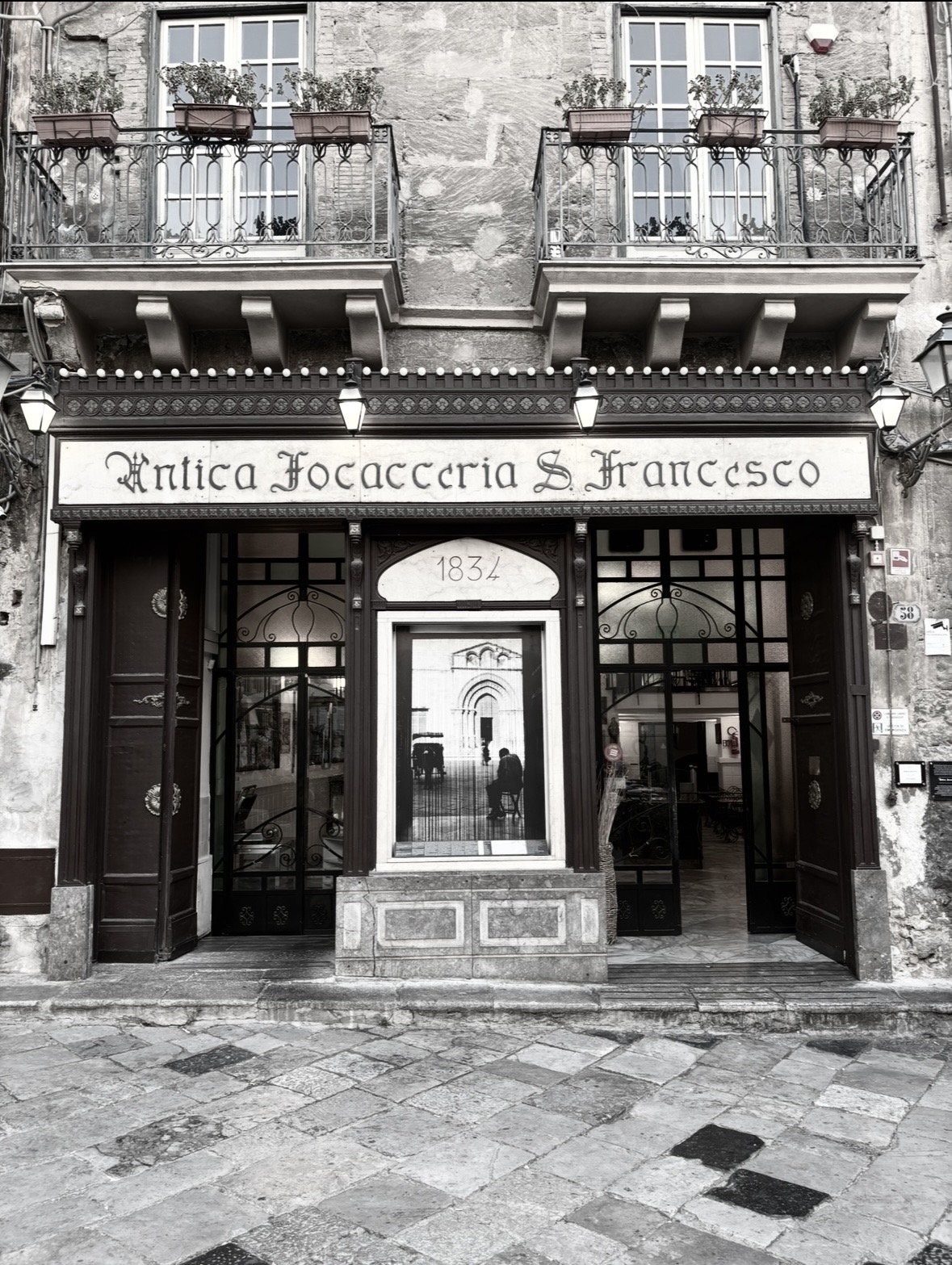
Focacceria San Francesco
The first time someone introduced me to this place, they explained that focaccia here is not the one most people know outside Palermo. This is our local version, the one used to serve meusa. To put it simply, Palermo focaccia is a soft bread roll for sandwiches (forgive the[…]
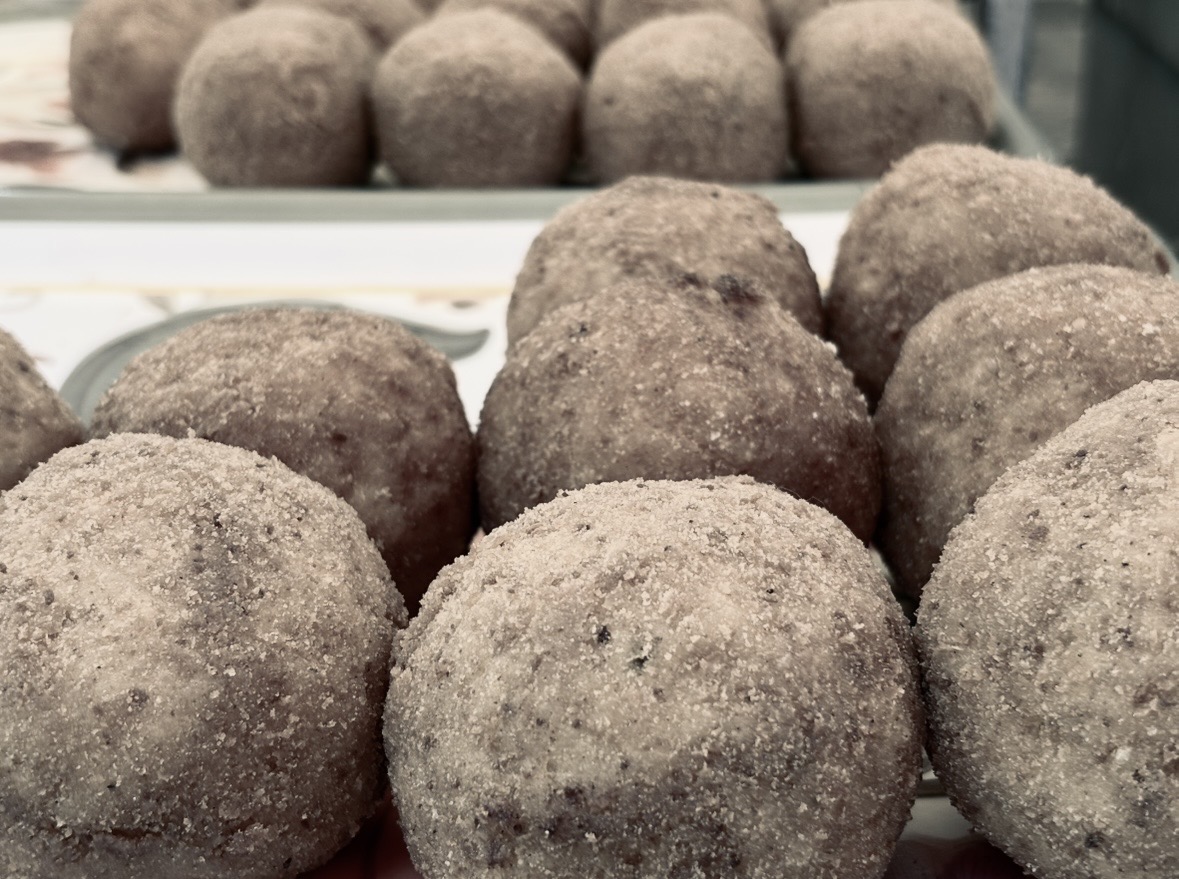
Arancina
Whenever I’m really hungry and need something quick to eat, arancina is always my lifesaver. The first time I tried this Sicilian classic was in Catania, where it’s masculine — arancino. Palermitans, however, believe that everything beautiful should be feminine. That’s why here in Palermo it’s arancina. In souvenir[…]
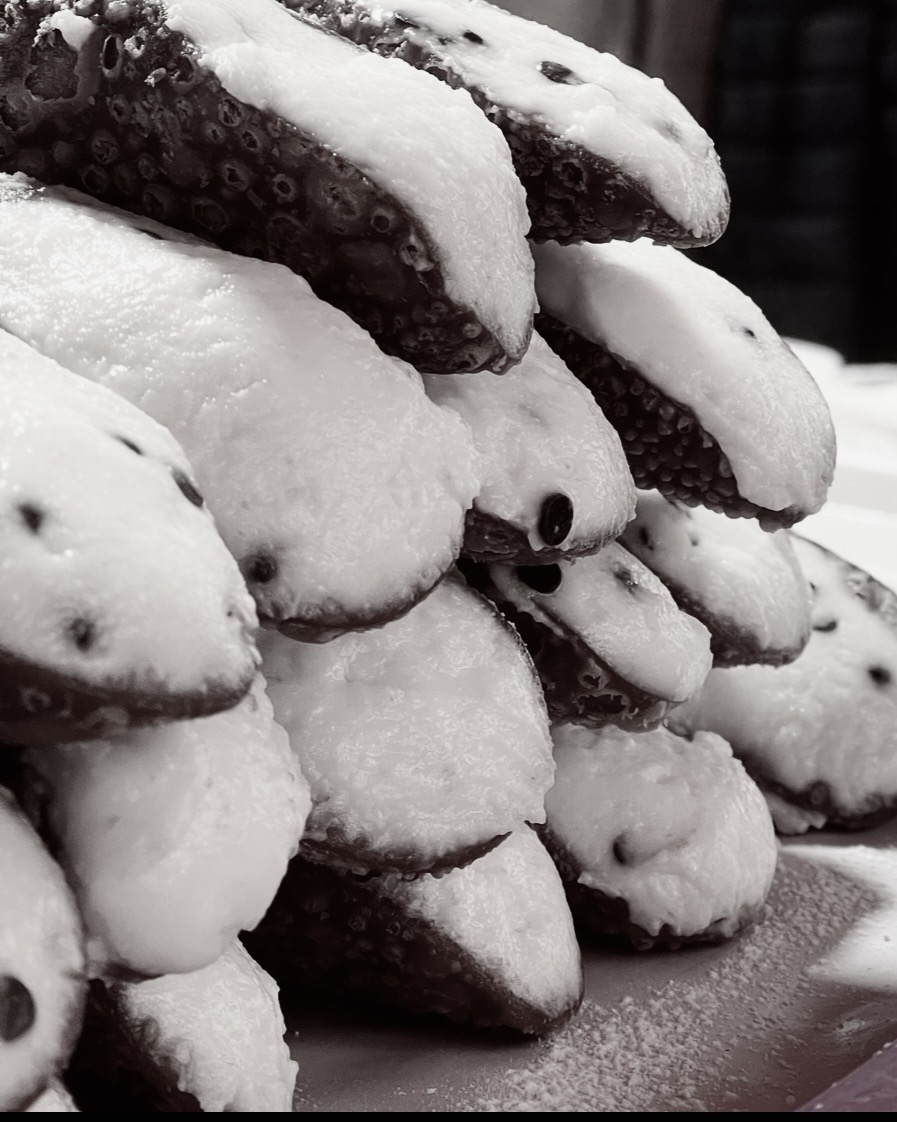
Cannoli
You could spend a lifetime eating desserts in Palermo! Maybe you remember the famous scene in The Godfather. After Clemenza and his men kill the traitor Paulie in the car, he says, “Leave the gun. Take the cannoli.” The line about the cannoli was improvised by the actor, but[…]
© 2026 KEFI. Created for free using WordPress and Kubio