

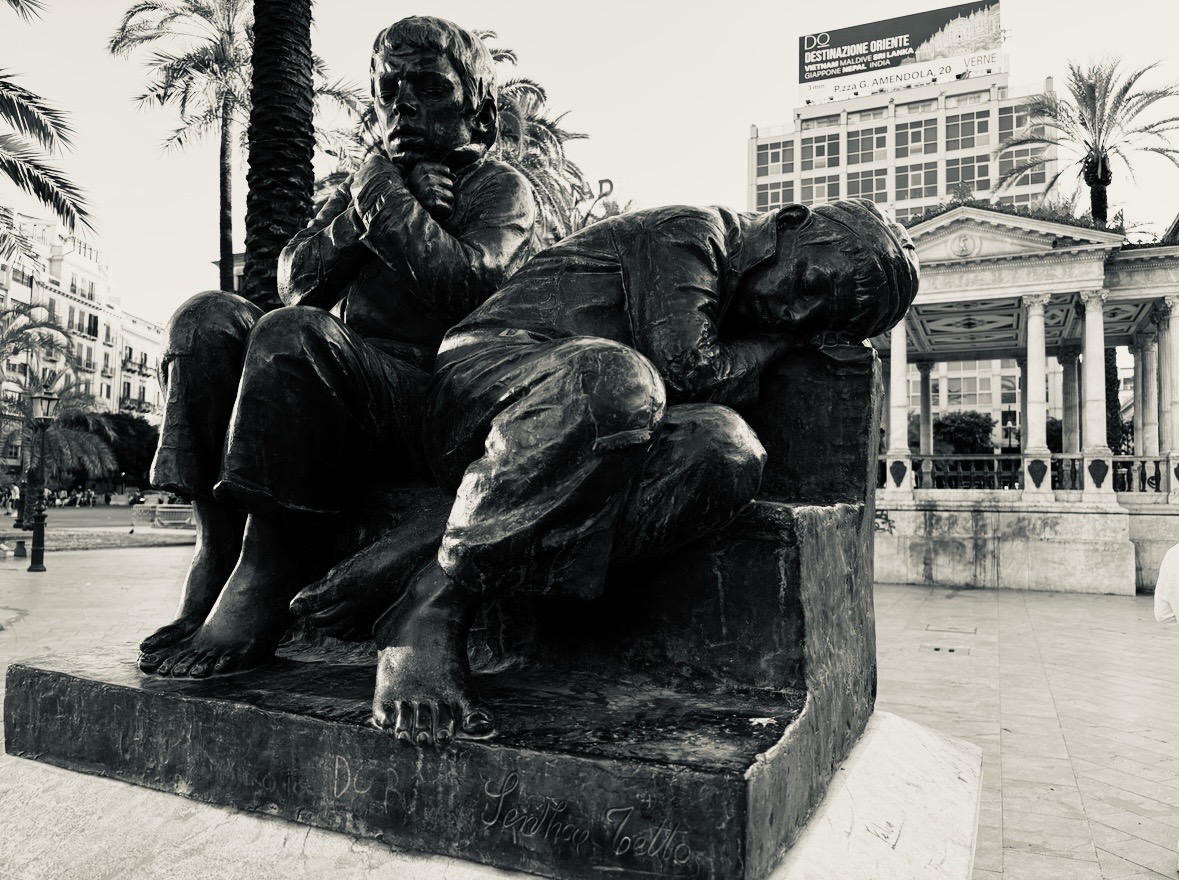
The Homeless
To me, Piazza Politeama stands on the border between two worlds of Palermo. Behind you is the loud city most visitors remember, while ahead begins the elegant, quiet and affluent Libertà district. Different people, different cafés, different shops — a different way of life. The neighborhood grew during Palermo’s[…]
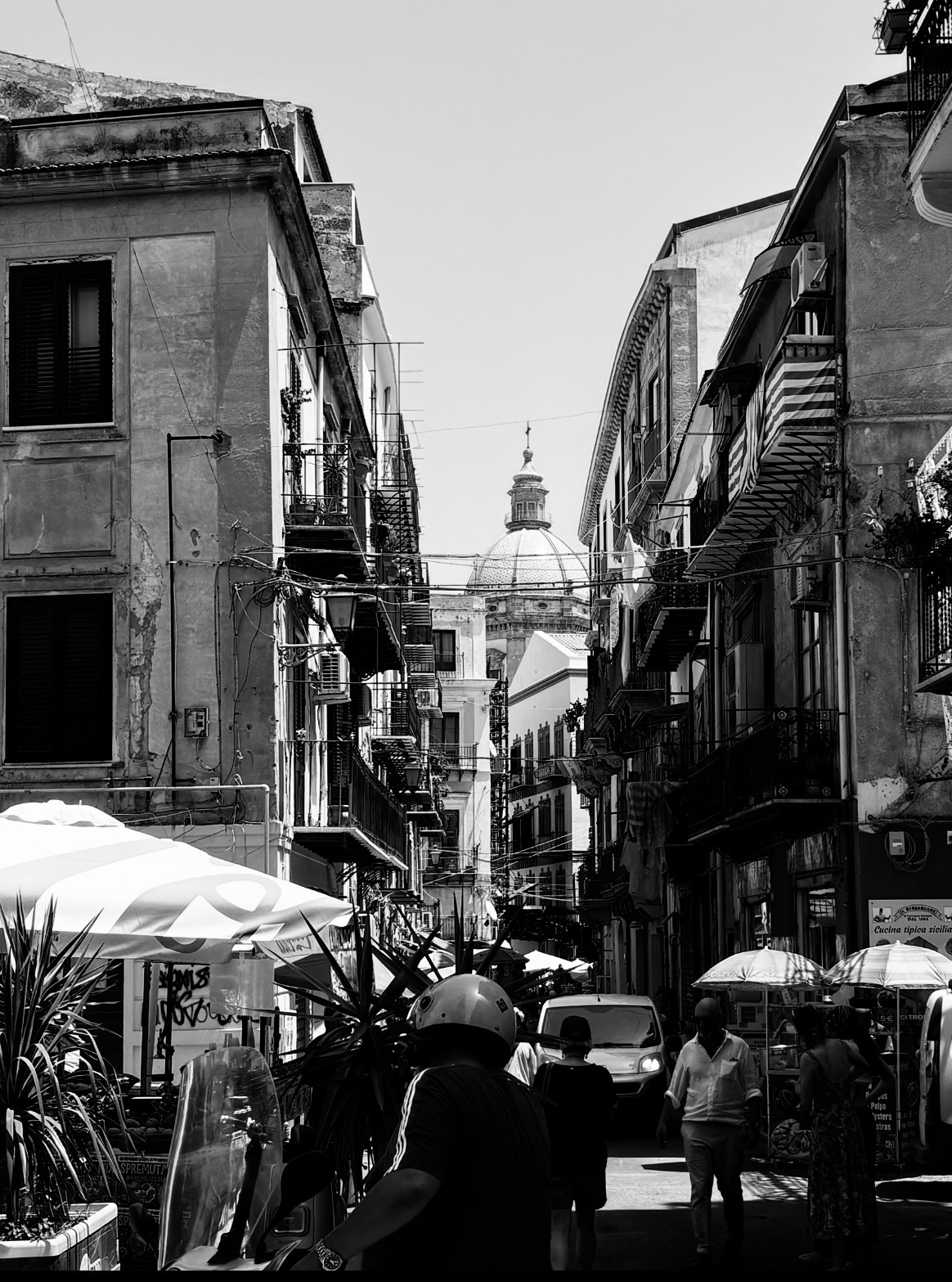
Chiesa del Gesù. Casa Professa
To be honest, Casa Professa is not one of my favourite places in Palermo. However, I always recommend seeing it at least once — the rest is a matter of personal taste. In one of the first books I read about Palermo, a local described it with the word[…]
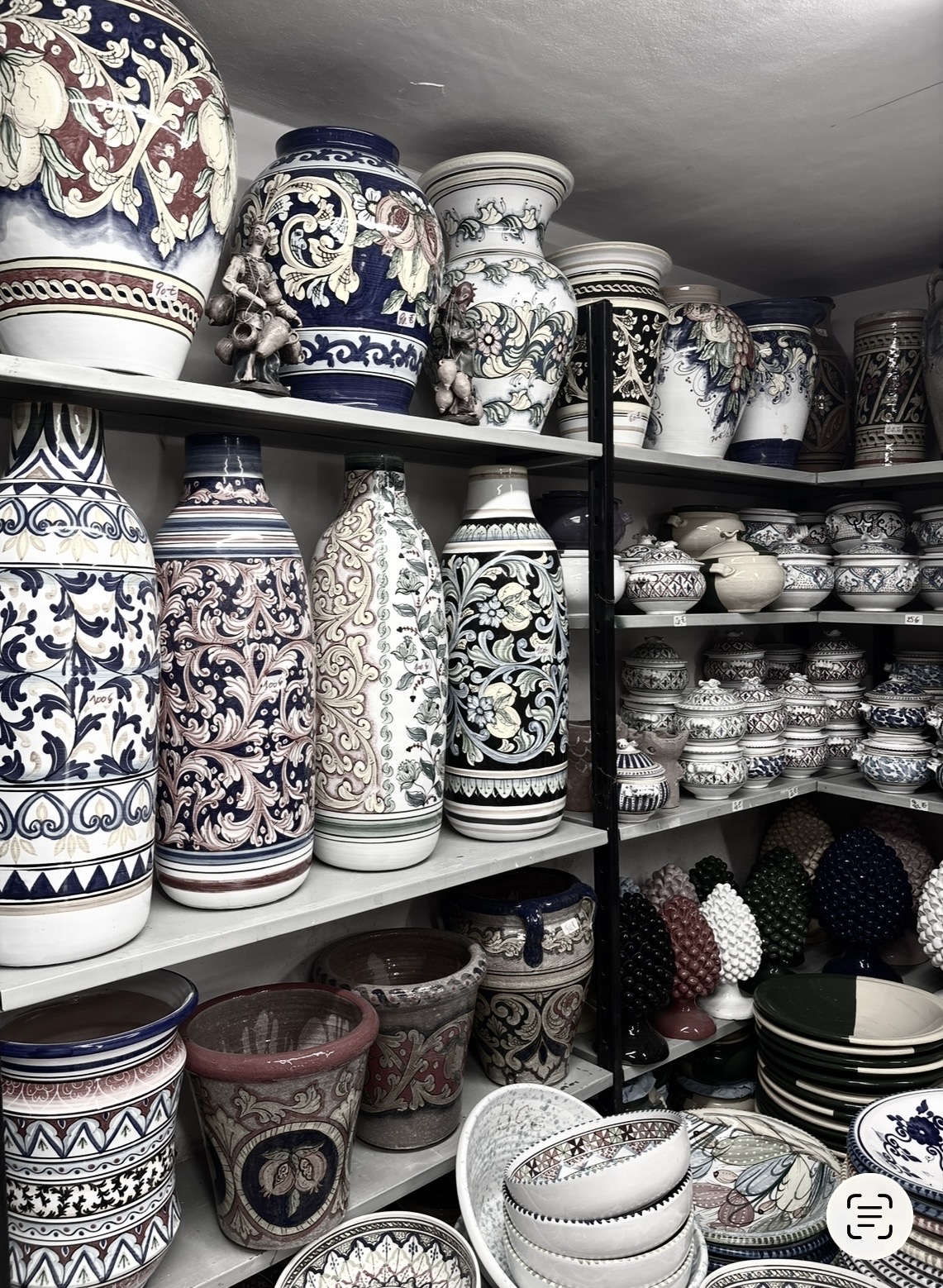
Sicilian Ceramics
After moving to Palermo, I very quickly filled my home with ceramics: jars for flour and sugar, everyday tableware, serving dishes and baking dishes, jugs and vases. I dreamed of having a ceramic sink and tiled walls on the terrace, but apparently that will have to wait for another[…]
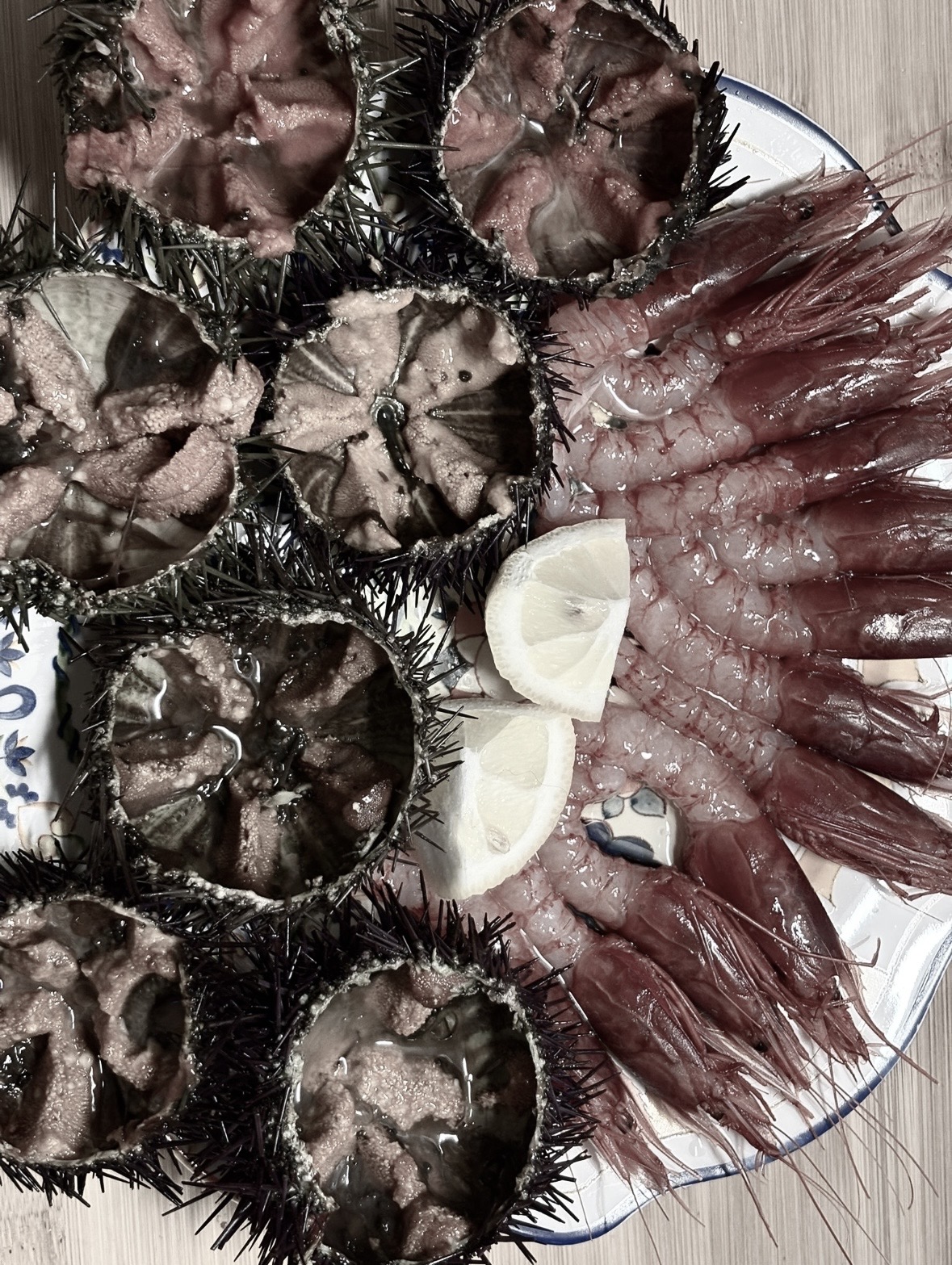
Gambero Rosso
I only discovered these shrimp after I started living in Palermo. After trying them in a restaurant for the first time, I decided to serve red shrimp for my New Year’s dinner. Imagine my shock when I realized they were meant to be eaten raw. Picture this: New Year’s[…]
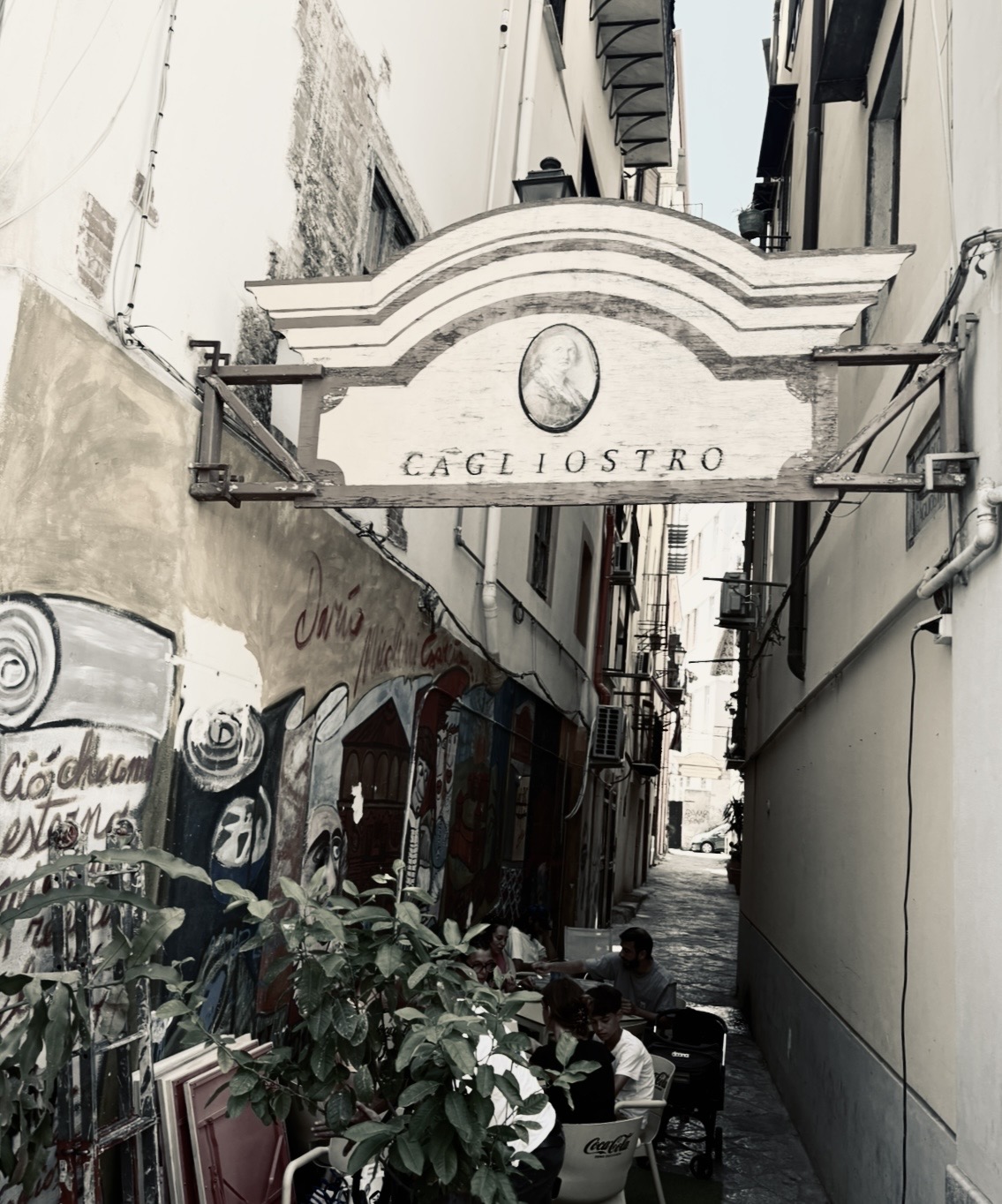
Cagliostro Alley
Right at the beginning of Ballarò Market, if you’re entering from the Casa Professa side, there’s a small alley named after one of the most mysterious people ever born in Palermo. In fact, one of the most mysterious figures in Europe of his time. You’ll probably never spot it[…]
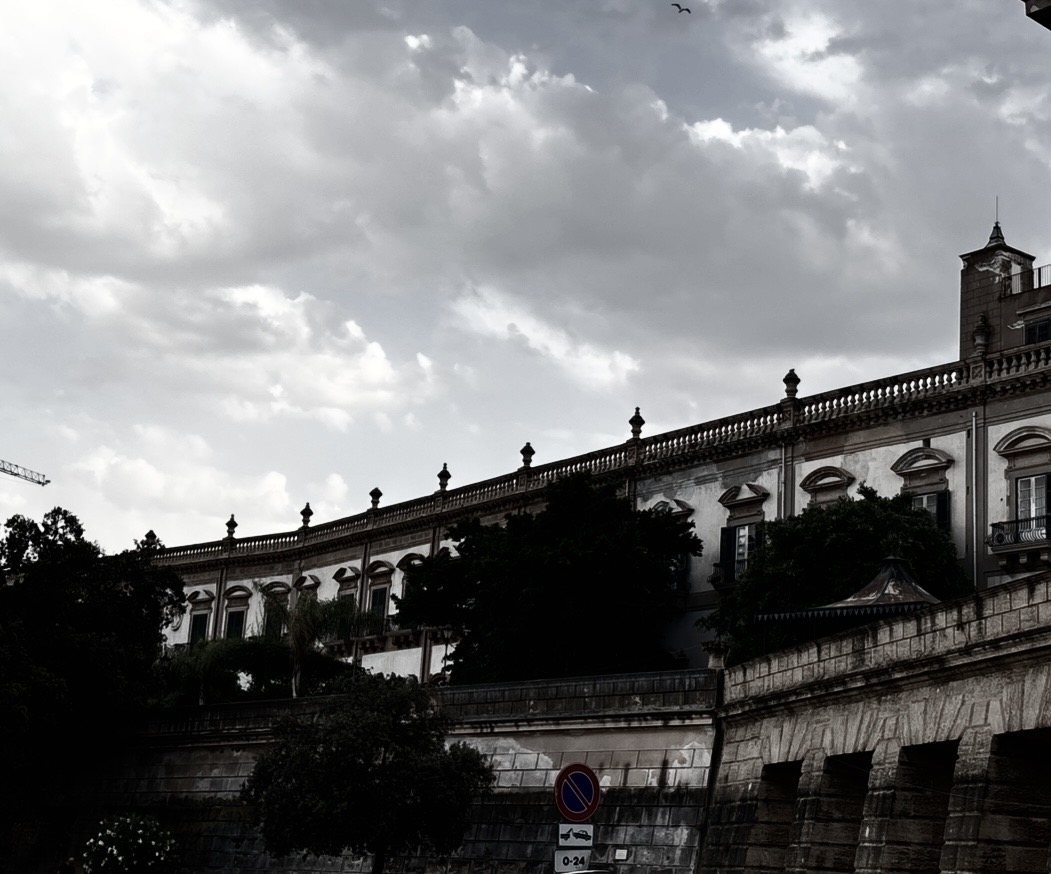
Passeggiata delle Cattive
Along Palermo’s waterfront, Foro Italico, stretches the long façade of Palazzo Butera. It is one of the city’s most beautiful and magnificent palaces, closely connected to many of Palermo’s noble families. The palace was heavily damaged during World War II. About ten years ago, however, it was purchased by[…]
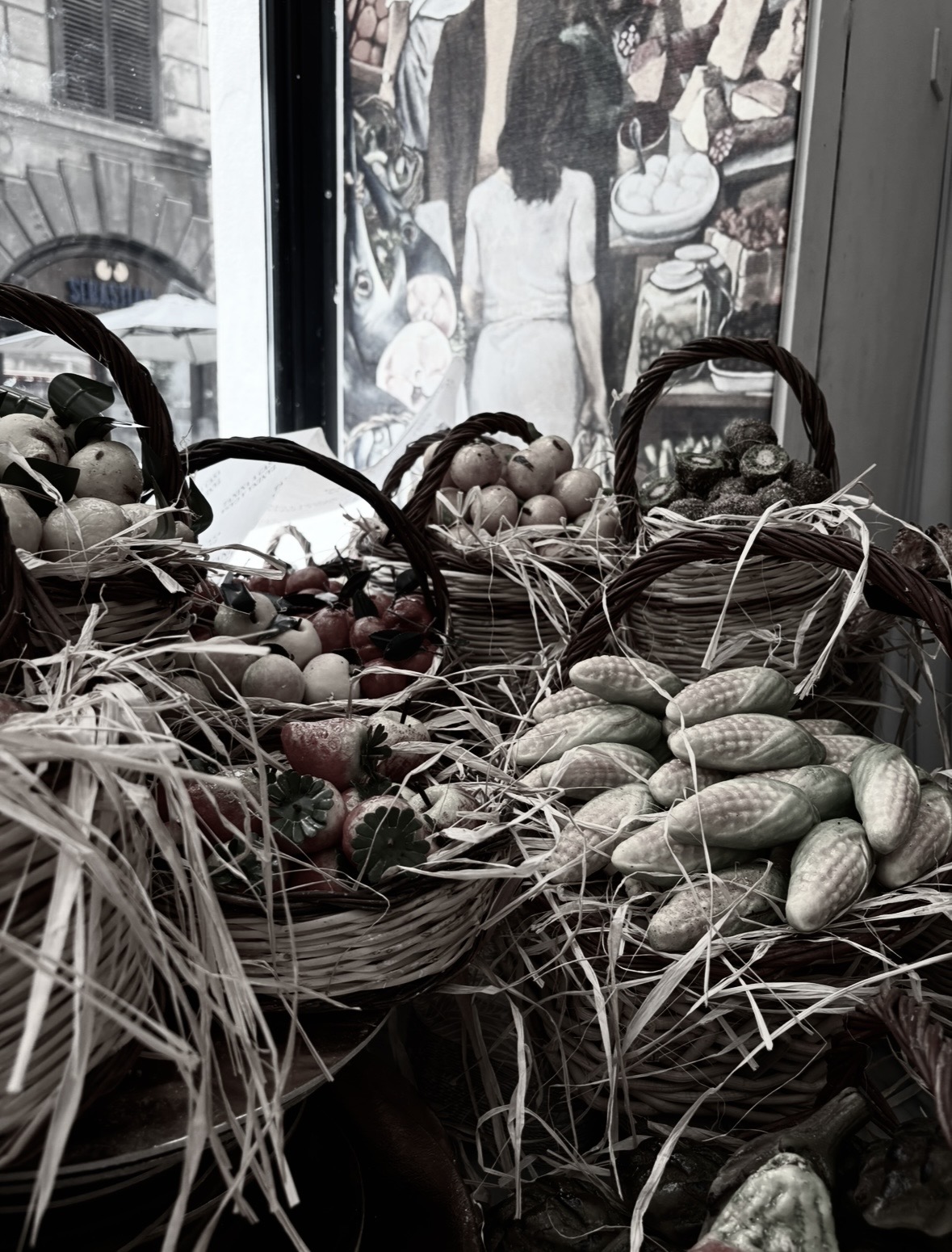
Frutta Martorana
Another Palermo legend that adds even more flavor to the art of Sicilian pastry making. In almost every pastry shop window, you’ll find colorful little fruits, vegetables, and even pane ca meusa or an arancina, all made from sweet almond paste. These are Frutta Martorana, named after the monastery[…]
Santa Rosalia
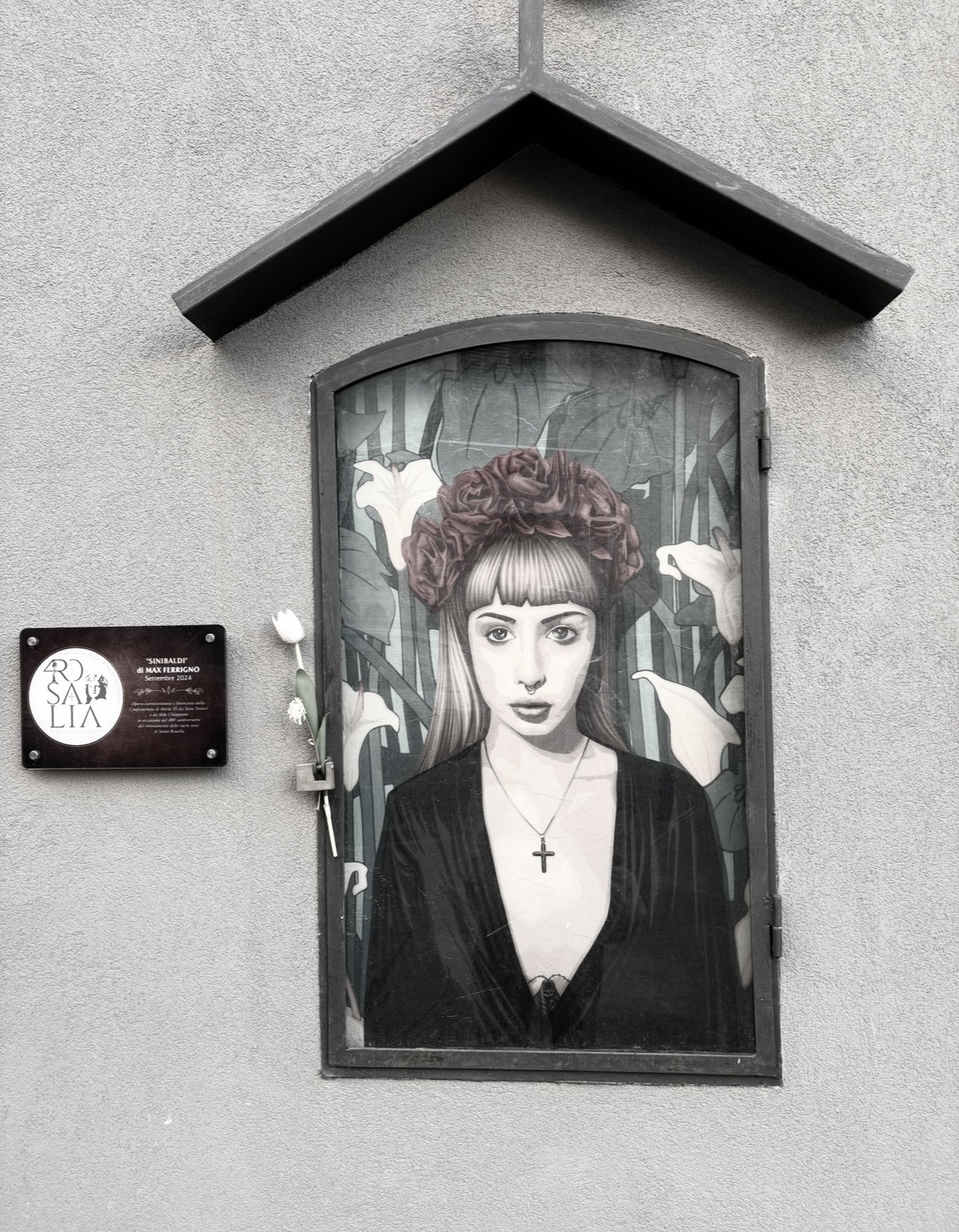
In Italy, almost every city has its own patron saint, and that saint’s feast day is often the most important celebration of the year. In Palermo, that saint is Santa Rosalia. Or, as we affectionately call her, la Santuzza. It’s not easy to translate the word beautifully. It is[…]
Caravaggio in Palermo: The Painting That Disappeared
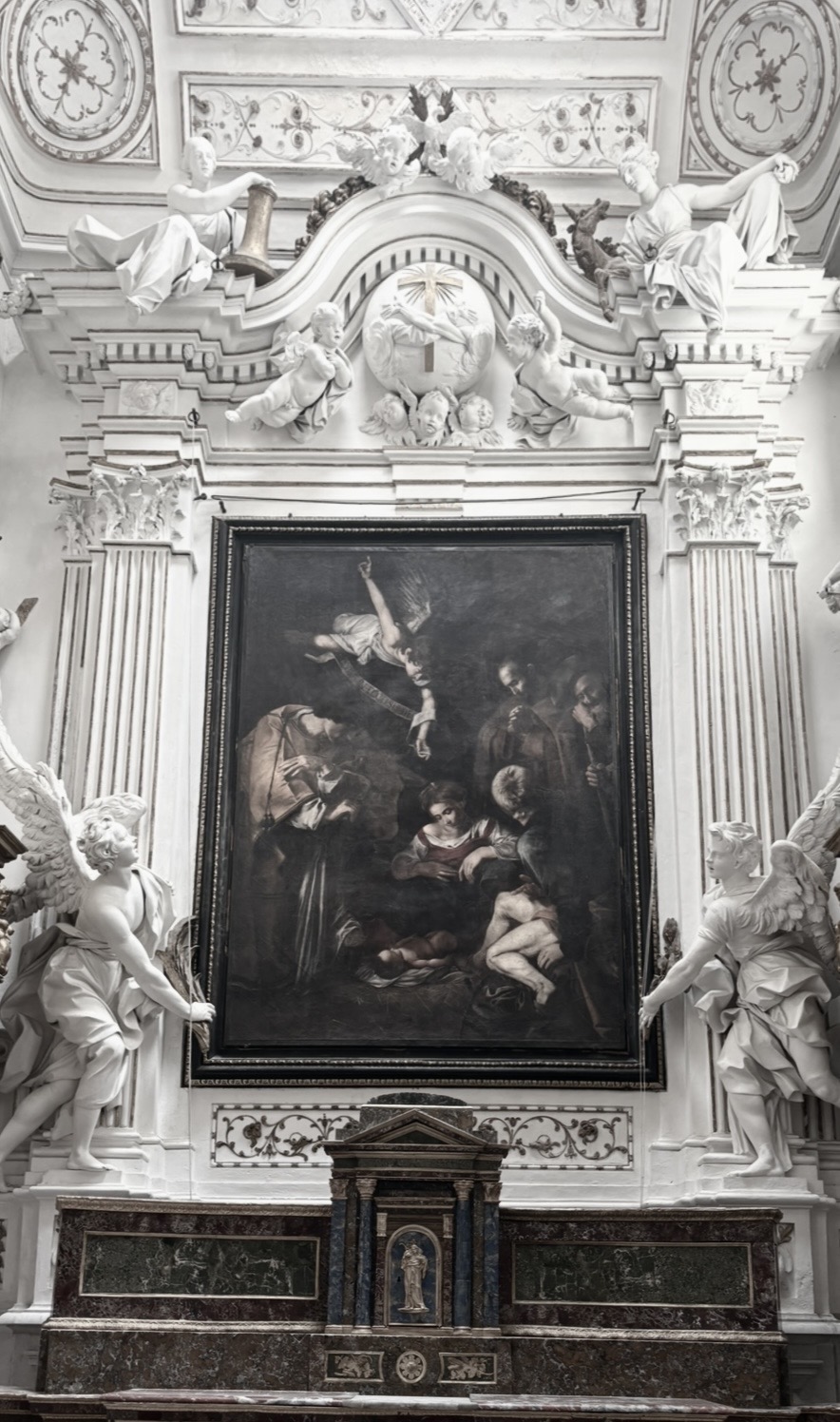
Yes, it turns out Caravaggio lived in Palermo. The short version is that he was sentenced to death in Rome for murder and fled to Malta. There, despite being a wanted man, he was accepted into the Order of Malta. But even in Malta something happened (depending on the[…]
Porta Felice
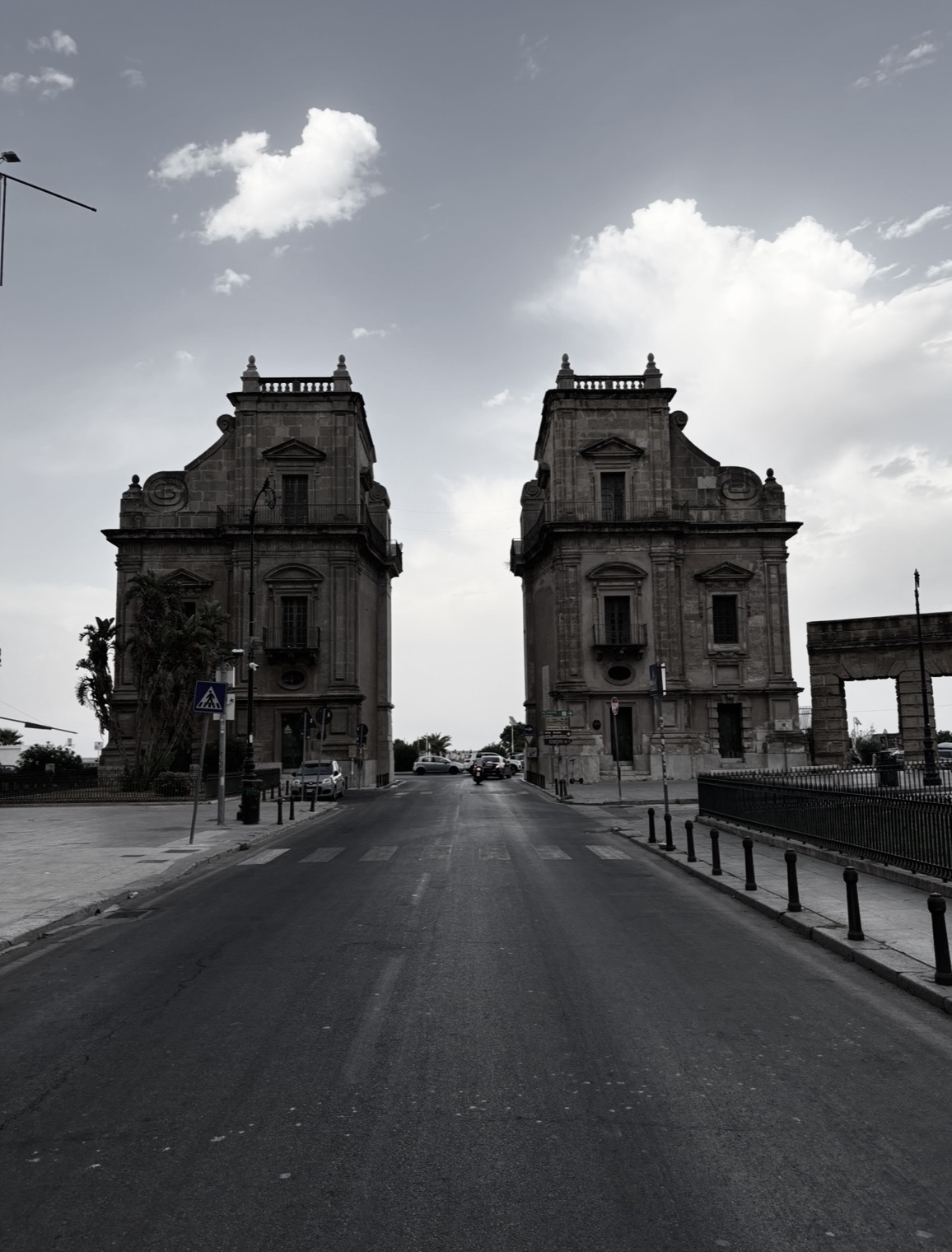
At first, I translated Porta Felice as “Happy Gate,” and I really loved the name. But it turned out that the gate was actually named after a woman called Felice, the wife of the viceroy. Porta Felice is the city’s gate on the sea side, at the opposite end[…]
© 2026 KEFI. Created for free using WordPress and Kubio